What kinds of cheating does the integrity layer look for?
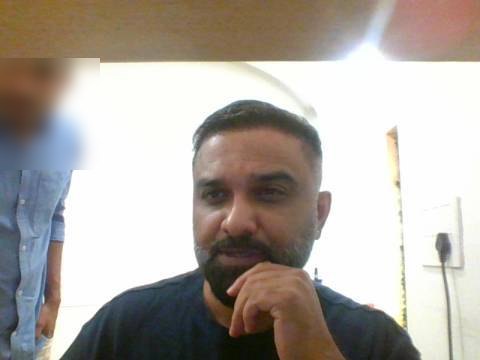
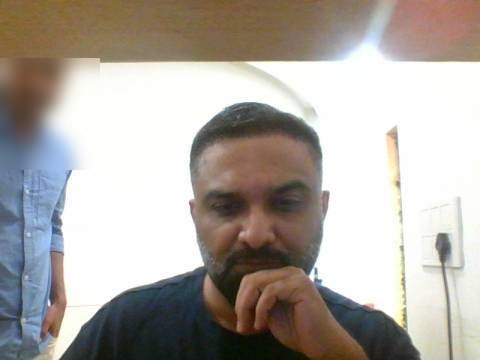
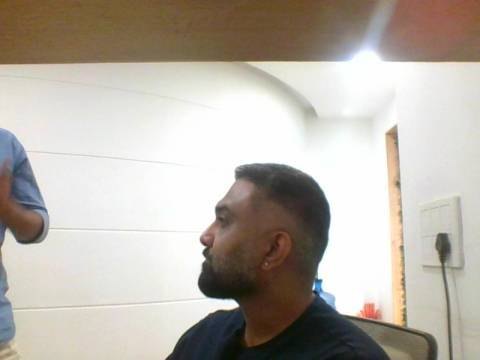
Reading answers from a phone or second screen, a second person in the room, and leaving the interview to look something up are caught today from camera, tab and paste signals. A voice that does not belong to the face (lip-sync, pre-recorded or synthetic video) and a second voice are in pilot. Each flag is shown to your team with the photo it came from.
Does a flag reject the candidate?
No. A flag parks the interview for a human. Your team sees the signal, the timestamp and the clip, then decides. Automation never rejects anyone and never releases an offer.
Is it perfect?
No detector is, and we will not print a catch-rate we cannot defend. Every integrity score ships with its evidence so a false alarm is easy to overturn and a real one is easy to prove.
Do you catch answer-assist apps like Parakeet?
We catch their footprint, not their name. A browser cannot list the apps running on a computer, so we read what using one does to the interview: the window losing focus while the tab stays visible, the tab being hidden, and pasted text. Each is flagged. In practice interviews a repeat violation closes the interview. In employer interviews nothing closes on its own: the moment is noted with a photo for your team to decide. Naming and blocking specific apps would need a desktop client, which we have not built.
What does the candidate see?
They are told before the interview starts which signals are checked, and they consent to camera and microphone analysis. Nothing runs silently.
What is live today, and what is in pilot?
Live: tab and window-focus checks, paste detection, face not visible, a possible second person in frame, gaze down or to the side, and random check-in photos, all shown in the report with a photo. These are camera estimates and can misfire on glasses, posters or reflections, so every flag carries its photo. In pilot: lip-sync matching and second-voice analysis. We will say so on the report when they ship.
 5:18 inPossibly looking down (phone?)
 7:23 inPossibly a second person in frame
 7:33 inPossibly a second person in frame
 8:16 inFace not visible on camera
 0:46
0:46 2:16
2:16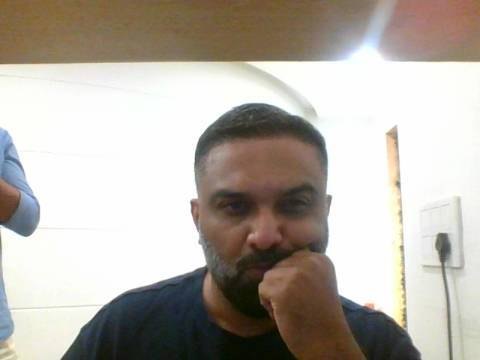 8:00
8:00